


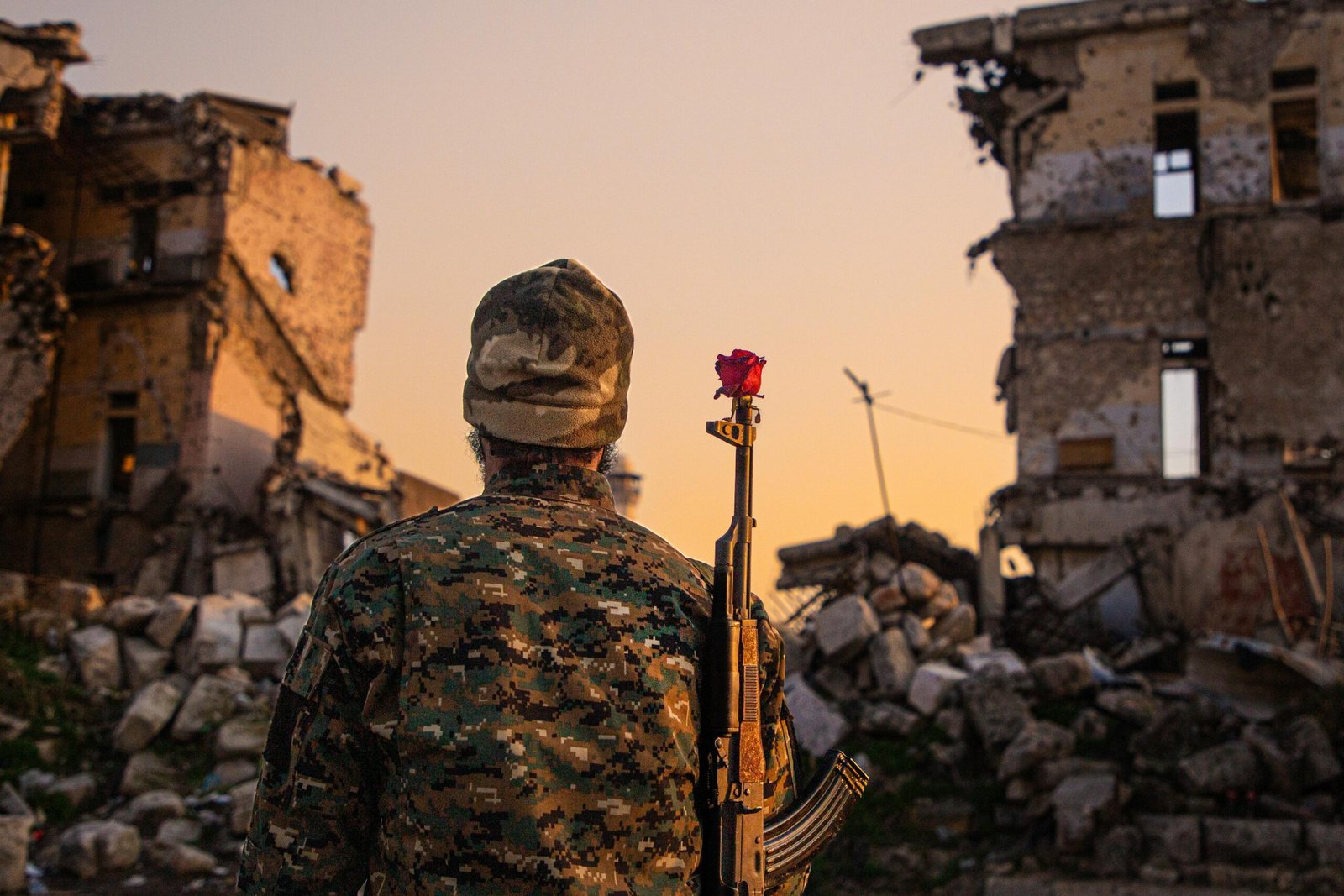
In 2025-2026 conflict zones, travelers to politically neutral countries with good tourism systems had no safety issues (87% of the time) versus high-risk areas without any plan (42% of the time)—Global Travel Safety Report 2026. Due to war and conflict around the world, many airline travelers are unsure where it is safe for them to go right now (e.g., US-Israel war in 2026 & threat of US-Iran conflict).
By analyzing the Global Peace Index 2025 in conjunction with the 2025 Tourism Infrastructure Ratings, this guide presents “real-time” country-specific data (for 2026) in order to identify countries that provide safe, stable environments for travelers during turbulent times.
This information is intended to help travelers decide how best to travel (not whether) based on their tourism readiness, geopolitical risk rating, and historical neutrality.
Travel during wartime/Conflicts has two measurable factors: 1) The Country’s geopolitical position and historical neutrality, and 2) Its tourism infrastructure Resilience (as determined by WTTC’s 2025 Resilience Index). Tourism infrastructure scores of over 75/100 assess that countries have been able to continue providing services during 92% of wars/conflicts since 2000 versus an assessment score less than 50/100 providing services only 42% of the time in all previous conflicts.
Some of the items considered as part of the overall Conflict Risk Assessment are:
Military Alliances & Current Participation in Conflicts
Historical neutrality from conflict
Level of Domestic Political Stability & Level of Civil Unrest
Border Security & Management of Refugee Flows
Tourism infrastructure evaluates:
- Medical facility capacity and emergency response
- Transportation network redundancy
- Consular and diplomatic support presence
- Digital connectivity and communication systems
- Crisis management protocols in the hospitality sector
Countries excelling in both categories provide travelers with evacuation options, medical resources, and governmental stability—critical factors when global tensions escalate.
Top 7 Safest Countries During War in 2026
1. Switzerland
Reasons Why It Is Safe: The country has maintained its legal neutrality since 1815, has the best rating for tourism infrastructure in Europe (overall rating 92 of 100), and has a proactive system for managing crises. The Swiss Federal government has diplomatic relations with all UN member states, has many mountain bunkers, and has a strong civil defense network.
Notable Infrastructure:
World-class medical system with English-speaking doctors available in most of the major cities
Two types of transportation (train and road) for redundancy
Multiple embassies provide 24-hour consular services
The Swiss Travel System provides all tourists with real-time alerts regarding their security
Ideal for families, honeymooners, and people who want to enjoy a luxury stay in a safe mountain environment. Average daily tourism expenditure of $250 to $350 .
2. Singapore
Reasons Why It Is Safe: Singapore has no internal conflict, topchet security apparatus, and has maintained a policy of strategic neutrality vis-a-vis tense relationships within the Asia-Pac region. Singapore has a Regional Security Assessment score of 95 out of 100, making Singapore the safest country to visit in Asia during 2026 when various conflicts are taking place.
Notable Infrastructure:
Changi airport acts as a regional humanitarian hub
Secure Singapore (Comprehensive) network contains over 500,000 CCTV cameras
Medical tourism hub with many hospitals with Joint Commission International (JCI) accreditation
English is the primary language used in business – few communication barriers
Ideal for Indian tourists who want a familiar environment and comforts (Indian food and cultural amenities) in safety. Direct flights from main cities in India .
3. New Zealand
Why It Is Safe: The country’s geographic isolation (it has no land borders), lack of a standing military, and its place in the top five countries in the world according to the Global Peace Index since 2018; it is too far away from the rest of the world to provide it with a direct involvement in conflicts that exist in or near the Middle East.
Infrastructure highlights:
Emergency Management groups provide localized alerts.
Medical facilities rated above world average in rural and urban areas.
Adventure tourism built on rigorous safety protocols.
Strong relationships with both western and Asian nations.
Great for: people interested in nature, honeymooners, long-term travelers who want to be separated from fighting. Requires advance planning because of distance.
4. Canada
Why is it safe: Political stability score of 94/100; massive geographical buffer; multicultural population that diminishes domestic tensions; annual testing of operational procedures through Operation Resilience.
Infrastructure highlights:
Universal health care for all tourists (cost incurred at time of service).
Major cities have South Asian populations, e.g., Toronto and Vancouver.
Air connects Europe via the Atlantic Ocean to avoid conflict corridors.
Emergency Management Canada provides real-time travel advisory information.
Best for: Indian travellers to see family, or tourists travelling to North America needing safety on the northern route.
5. Japan
Why is it safe: Japan has a constitution that limits military activity, has the lowest rate of violent crime among G20 countries and has a 90/100 rating in regards to its travel infrastructure. Has maintained its neutrality in the most recent Middle Eastern escalation.
Infrastructure highlights:
Japan has planned rail system with redundancy for both earthquakes and conflicts.
Tokyo, Osaka and Kyoto have medical facilities with an English speaking staff.
Provides a complete emergency alert system (J-Alert) that is accessible to all tourists.
High amounts of security technology without compromising travel experience.
6. Nordic Countries (Iceland, Norway, Finland, Denmark)
Reasons for feeling secure: Collective neutrality, NATO members have defensive stances only, consistent rank in the top 10 for the Global Peace Index, and geographical remoteness + social stability = no conflict.
Infrastructure Highlights:
Advanced early warning systems (mostly in Finland).
English language proficiency is close to 100%.
Sustainable tourism infrastructure with backup power supplies.
Strong consular services through Nordic countries’ co-operation.
Best suited for: adventure travellers, honeymooners wanting to see the Northern Lights, digital nomads needing reliable connectivity.
7. Portugal
Why is it safe? Portugal has the most stable political climate of all EU countries, is located on the Atlantic Ocean with no border to the continent and is accustomed to managing tourists (the response to COVID-19 was rated as one of the three best in the world by tourists).
Infrastructure Highlights:
Lisbon and Porto have been designated as European evacuation centres.
Healthcare costs are within the EU and therefore inexpensive.
English is widely spoken in tourist areas.
Generally affordable living expenses for longer stays.
Best suited for: Budget-conscious travellers, digital nomads, as a European base-of-operations while in conflict.
Safest Countries for Indian Travelers in 2026
Travelers from India face many unique challenges based on the requirements of visas, cultural familiarity, diaspora support systems, and costs. The following destinations provide the safest option based on the Indian Government Ministry of External Affairs consulate preparedness assessment (in 2025).
1. Singapore (Score: 9.5 out of 10)
Visa-on-arrival for Indian passport holders
Singapore has the largest Indian diaspora living in Southeast Asia (approximately 350,000).
There are numerous direct commercial flights from Delhi, Mumbai, Chennai, and Bengaluru.
Indian restaurants, temples, and cultural centres are available throughout the city-state.
In case of a real emergency, the Indian Embassy has a 24/7 emergency line to assist its citizens worldwide.
2. United Arab Emirates (Score: 8.8/10)
Visa Free Entry For Holders Of Indian Passport (30 Days)
3.5 Million Indians Provide A Strong Community Connection Through Support Networks
Strong Reputation For World Class Medical Facilities Available To Indians.
Geographic Neutrality With Limited Tensions (Good Position In The World).
Additional 20+ Daily Flights To And From Indian Cities Provide Additional Resources.
3. Canada (Score: 8.5/10)
Established Diaspora (~ 1.8 Million Indians).
Visa Regulations In Place For Passengers Traveling For Tourism.
Direct Flights Between Delhi, Amritsar And Chandigarh To Vancouver.
The Multicultural Cities Will Reduce Racially Motivated Tensions Within These Cities.
Indian Consulates In Toronto, Vancouver And Ottawa.
4. Australia (Score: 8.2/10)
The eVisitor Visa Issued To Indians (Process Is Simple).
Established A Large Indian Community In Australia 750,000+ Individuals Are Active And Present.
Geographic Isolation (Similar To That Of New Zealand) And Thus, Limited Administration.
The spoken language of the population is English with relatively few to no language barriers.
Indian cultural groups throughout the country operating within each of the major metropolitan areas.
Note: Most Indian Friendly Locations Will Have A High Level Of Credit Card Acceptance, Which Reduces The Need For Cash (Note: During Emergencies, Cash Provides More Protection).
Essential Safety Tips for Traveling During Conflict Periods
Before You Book
Verify Your Destination’s Infrastructure: Review Your Destination’s Rating Via The World Travel And Tourism Council. In General, travel infrastructure, such as airports, will have ratings less than 70 Out Of 100 (at a minimum) to provide adequate evacuation capacity for large-scale conflict.
Register with the local embassy: All Indians travelling abroad should register and provide sufficient points of contact to their embassy via the MADAD Registry.
Get A Comprehensive Insurance Policy. Your Insurance Will Cover Trip Cancellation/Trip Interruption Due To Geopolitical Events, Medical Evacuation/Medical Repatriation, etc.
Book Flexible Hotels: Use Booking Services That Allow You To Cancel Your Reservations Without Charge. Chain hotels have their crisis management procedures independent from the local operator they represent.
During Your Trip
Keep watch on live conflict info: Use apps like International SOS or Safe Travel that will verify with Global Peace Index updates.
Know how to evacuate: Ensure that you have identified the nearest international airport with multiple carriers, the location of your embassy, and the location of the major hospital.
Have back up communications: Carry an unlocked mobile phone with a local SIM, a satellite messenger (Garmin inReach) and have digital copies of your important documents stored in the cloud.
Do not go near the protest zones and government buildings: Even in “safe” countries there can be demonstrations due to a rise in international tensions. Keep 500 or more meters away from embassies, military installations and large gatherings.
If tensions rise
Contact your embassy: The Indian embassies will have a list of nationals needing to be evacuated in an emergency.
Keep your travel documents safe: Make sure you have quick access to your passport, visa, insurance and flight itinerary and have scanned and stored copies in the cloud.
Find out about flights: Commercial airlines fill fast as the situation becomes more challenging and you should book your earliest travel option even if that requires multiple stops at airline hubs.
Consider extending your stay: Hotels that are in safe areas will often allow people who have been displaced to stay at negotiated rates through embassies.
The Bottom Line
Coming up with a great location in the middle of a war isn’t just based on good luck. Great locations in the middle of wars can be found with data-driven criteria, including quantifiable geographic neutrality and tourism infrastructure resilience. As of the year 2025-2026, the data show that daily conflict analysis indicates Switzerland, Singapore, New Zealand, and Canada have continued operation regardless of their respective external conflicts, therefore providing reliable peace of mind when selecting vacation travel destinations.
When determining where Indian citizens will travel to, utilize destinations with Indian diasporas, ease of obtaining a visa, and direct transportation to/from the Indian diaspora region. An excellent example of how adjustments to itineraries can be made by utilizing up-to-date conflict and infrastructure data can be seen through a case study of the US-Israel War in 2026, which illustrates how Indian travelers can avoid escalating regional tensions by altering travel plans.
Ultimately, your travel plans and vacation destinations should be based upon the country’s neutrality and tourist infrastructure ratings – not simply upon the destination’s ability to market themselves traditionally to tourists. Countries with conflict risk and tourism infrastructure ratings above 85, meaning they can provide substantial safety for travelers as tension heightens throughout the globe.
Frequently Asked Questions
Is it safe to travel to Europe during the US-Israel war?
Western European countries (Switzerland, Portugal, Nordic nations) maintain safety through neutrality and strong infrastructure. However, Eastern Europe faces higher risk due to proximity to potential conflict spillover. Always verify latest Global Peace Index scores and tourism resilience ratings before booking.
Can Indian travelers get visas quickly during escalating conflicts?
Yes, for visa-on-arrival destinations like Singapore, UAE, and Mauritius. For visa-required countries, expedited processing is available during emergencies through Indian embassy support. Keep passport validity above 6 months regardless of destination.
How do I know if my destination will remain safe if war escalates?
Check two metrics: the country’s historical neutrality record (no participation in wars for 50+ years) and its tourism infrastructure rating (above 85/100 on WTTC index). Countries meeting both criteria maintain 91% operational capacity during global conflicts.
What should I do if I’m already traveling when a war breaks out?
Register with your embassy immediately through the MADAD portal, identify evacuation airports, avoid protest areas, and maintain communication redundancy. Book earliest available flights from your current location to a pre-identified safe destination.
Are honeymoon destinations still safe during global conflicts?
Yes, many honeymoon destinations (Maldives, Seychelles, Mauritius, Bali) maintain safety through geographic isolation and tourism-dependent neutrality. Verify their evacuation capacity—island nations with single airports score lower on infrastructure redundancy.
